Understanding the Philippine Identification System
What Is Republic Act 11055?
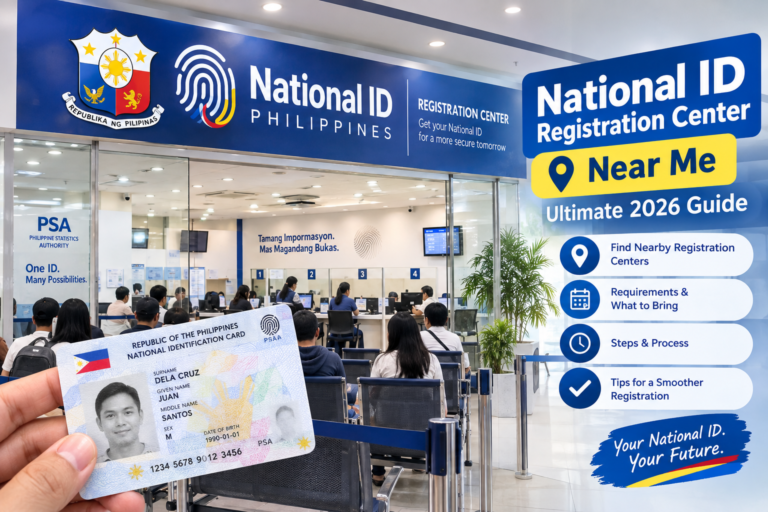
The Philippine Identification System Act (RA 11055), signed in August 2018, established the PhilSys as the country's single national ID infrastructure. It mandates that every Filipino citizen — whether residing in the Philippines or abroad — and every resident alien be issued a unique, lifetime PhilSys Number (PSN). The law is implemented by the Philippine Statistics Authority (PSA).
Why Was the National ID Created?
Before PhilSys, Filipinos needed to carry and maintain multiple government-issued IDs (SSS, GSIS, PhilHealth, Voter's, Postal) for different transactions. This created barriers for citizens accessing social services, banking, and government benefits — especially for those in rural areas or the informal economy who lacked any formal ID at all. The PhilSys consolidates identity verification into a single, universally accepted system.
Who Is Eligible to Register?
All Filipino citizens, regardless of age (including newborns and minors) and regardless of whether they reside in the Philippines or abroad, are eligible to register. Resident aliens — foreign nationals holding valid Philippine residency visas — are also eligible. Registration is voluntary but strongly encouraged, as the PhilSys card is now accepted as a primary government ID for most transactions.
Is the PhilSys ID Accepted Everywhere?
Yes. Under RA 11055 and its implementing rules, the PhilSys ID card is legally mandated to be accepted as a sufficient proof of identity by all government agencies, banks, financial institutions, schools, and private entities operating in the Philippines. You cannot be legally required to present any other ID if you present your PhilSys card.
What Happens to My Biometrics Data?
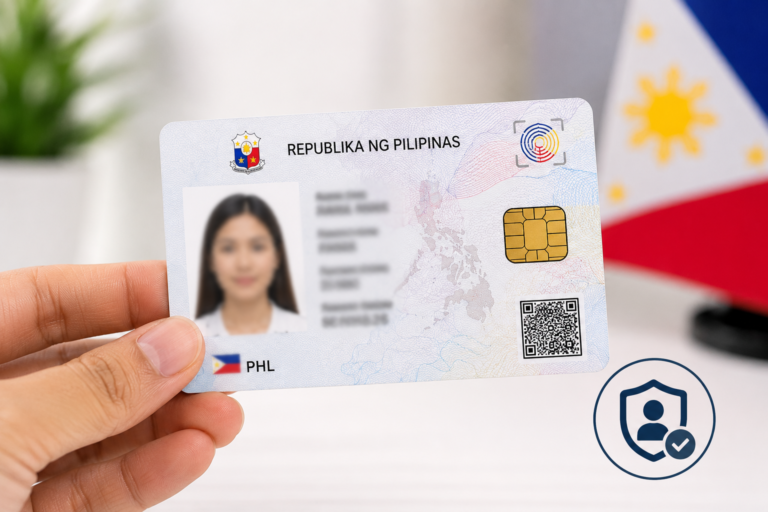
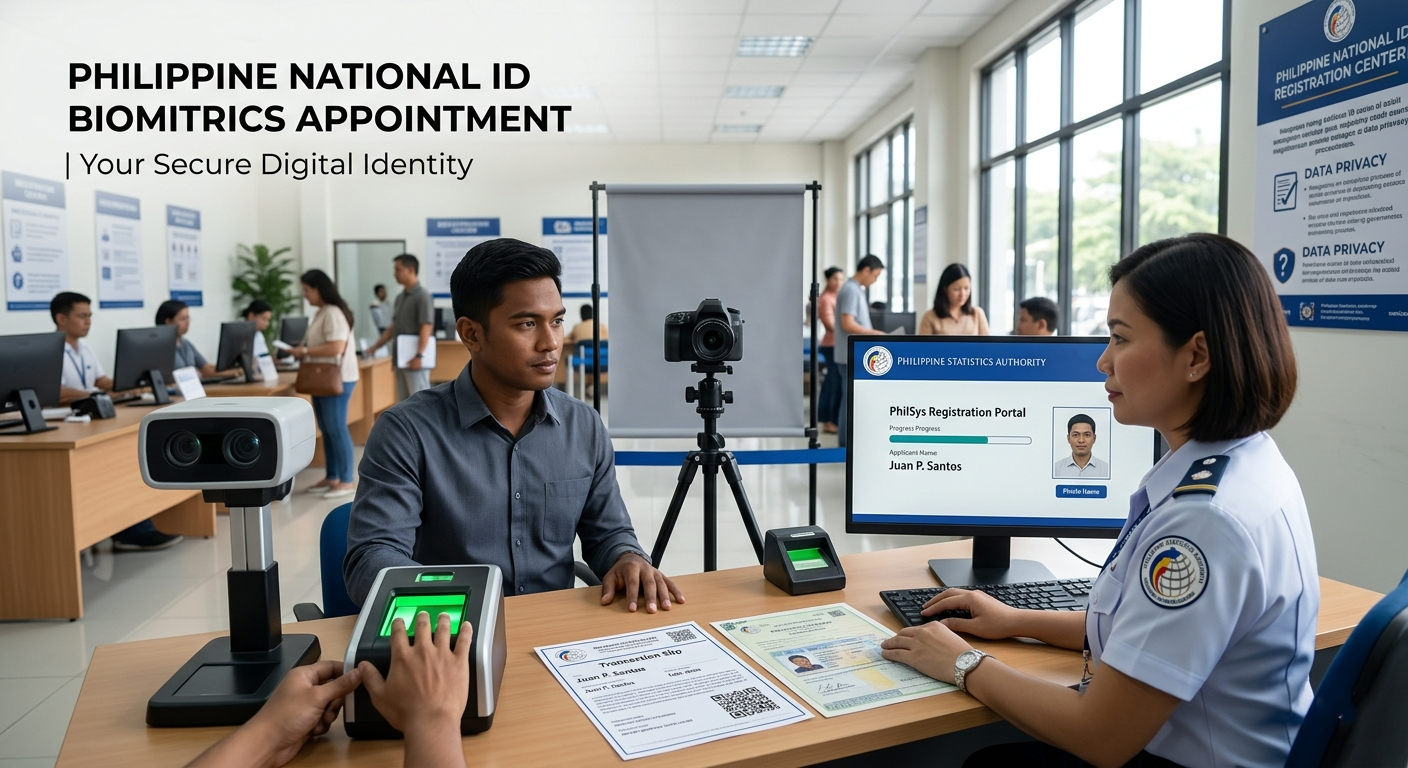
Your biometric data (fingerprints and iris scan) is stored in the PhilSys Registry, a secure government database managed by the PSA. This data is not shared with private companies and is only accessed for identity verification through the official PhilSys authentication system. The physical card itself does not store raw biometric data — only a QR code that links to your PSN record.
About This Website
NationalIDDigital.ph is an independent information resource maintained by Filipino writers and researchers. We are not affiliated with the PSA, PhilSys, PHLPost, or any Philippine government agency. Our goal is to publish clear, accurate, and regularly updated guides to help Filipinos understand and complete the National ID process. All information is sourced from official PSA announcements, the PhilSys implementing rules, and verified user experiences. Always cross-check important details with the official PSA website.